The Art of Dubbing: Behind the Scenes of Professional Audio Post-Production
From a 2016 editing room to today's four treated studios: how a film or series becomes a French version, from recording to stereo, 5.1 or Dolby Atmos mixing.
Good dubbing goes unnoticed. The audience follows the story, the voices match the faces, the sound is clean. Behind that result there is a studio, a team and a precise sequence of steps. Here is how it works at dB PROD·FACTORY in Casablanca when a film or series comes in to be dubbed into French.
From an editing room to four studios
The studio didn’t always look the way it does today. Its history partly explains how we work.
- 2016: the company is founded in Casablanca by a founder drawing on experience gained in Montreal. It starts with post-production and editing, on high-end equipment from day one. With no booth yet, voices are recorded in the same room as the edit.
- 2017: a move to the Maârif district, with a first recording studio.
- 2018: a move to the Beauséjour district, two minutes from Casablanca Finance City, with an open control room, still without acoustic treatment.
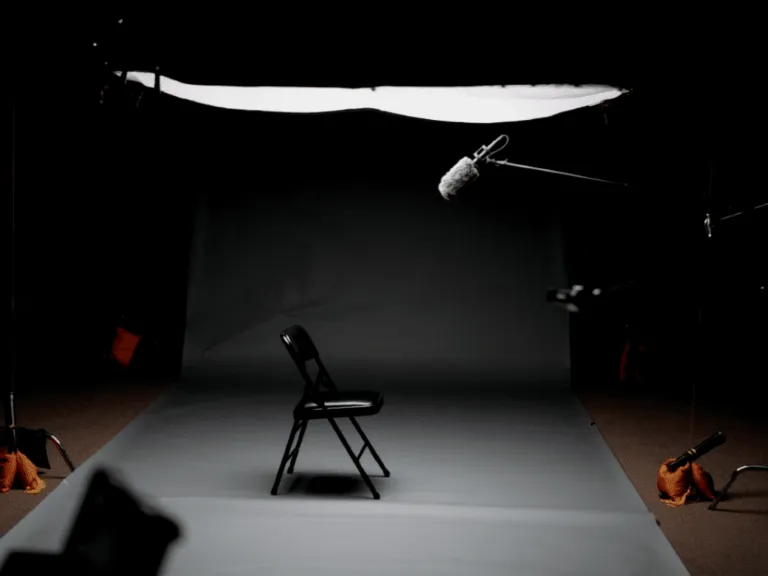
- Since 2020: the studio settles at 7 avenue du 2 Mars. Four closed studios, acoustically treated, soundproofed and interconnected. Add to that a green-screen stage, production and dispatch servers, and a meeting room.
Each step addressed a limit of the previous one. Moving to closed, treated booths changed the quality of the takes. A voice recorded in an untreated room keeps the color of the room. In a booth, it stays neutral and mixes without heavy correction.
What happens in a dubbing studio
We dub into French only. Source languages vary: English, Chinese, Spanish and others. Our voices come from a pool of more than a hundred French-speaking voice actors.
The work always follows the same thread.
Preparation
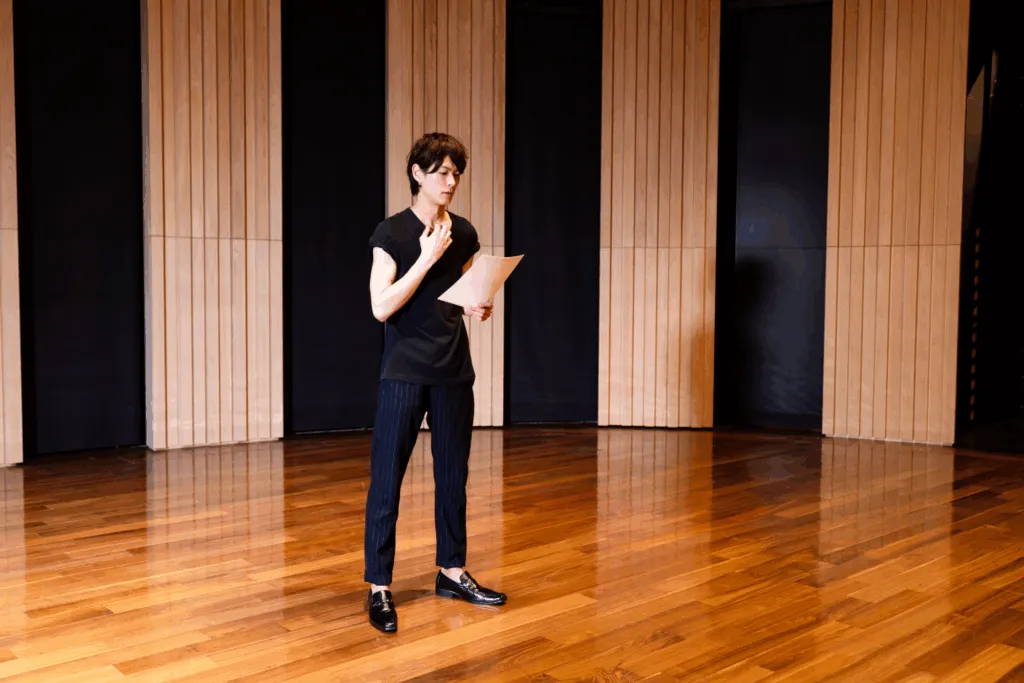
The client sends the video, the M&E track if there is one, and the scripts. The text is translated and adapted into French. The adaptation accounts for lip movement, line length and the tone of each character.
Casting
For each role, we suggest one or more voices. The client listens and approves before sessions begin. This step avoids redoing entire scenes later.
Recording
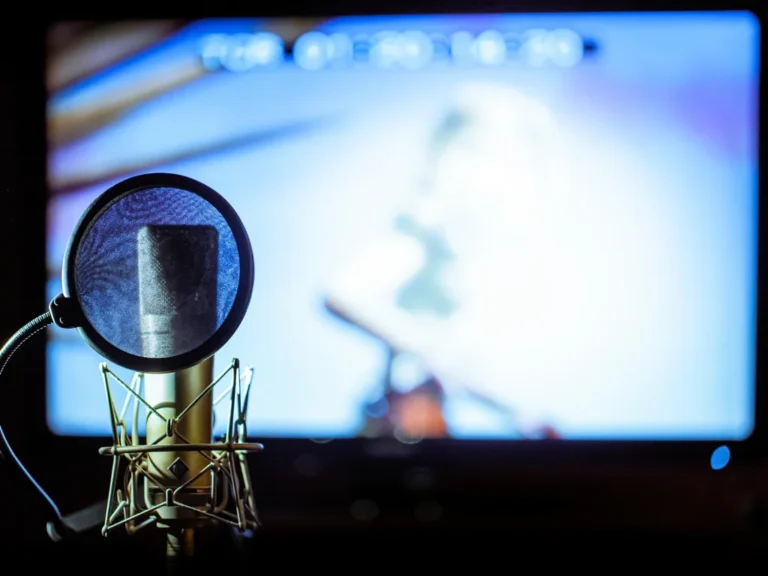
The actor performs in the booth, facing the picture. A voice director guides them: intention, pacing, sync. The sound engineer monitors the take from the control room. Because the four studios are connected, several sessions can run in parallel on the same project.
Voice editing
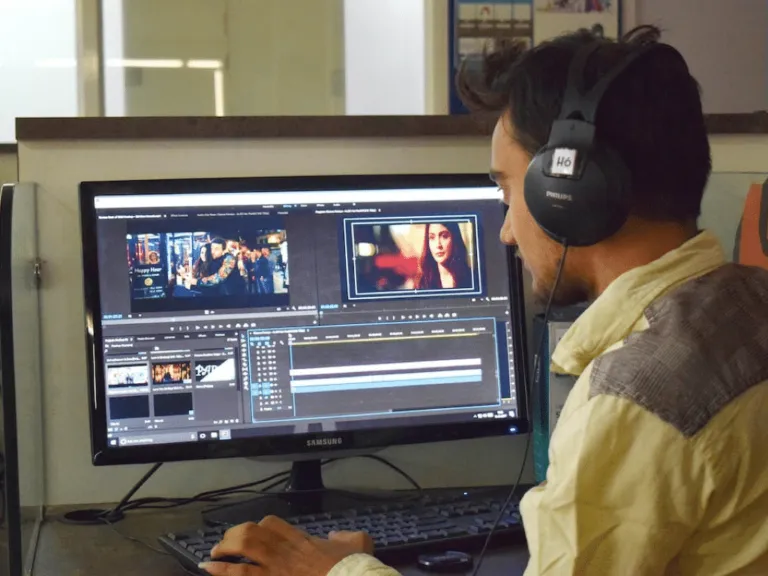
The selected takes are synced as closely as possible to the lips. Breaths, mouth noises and flaws are cleaned up. The goal is a clean voice track, ready for mixing.
Mixing: stereo, 5.1 and Dolby Atmos
Mixing brings the French voices together with the music and effects from the original version. Level, space and dialogue clarity are set at this stage.
We mix in stereo, 5.1 and Dolby Atmos, depending on where the program is going. Levels comply with the EBU R128 standard, which most European broadcasters expect. A mix delivered out of spec is often rejected by the broadcaster. So this check happens before delivery, not after.
Quality control and delivery
Before delivery, the program is reviewed in full. We check sync, proper names, and voice consistency from one episode to the next. The files are then delivered in the formats requested by the client or the platform.
This framework has been used on several hundred projects and several hundred delivered hours, for clients in Morocco and abroad. Among them: Hiventy, TransPerfect, Content Lab and Funky Sound.
Following sessions remotely
Our clients are producers, distributors, platforms and dubbing agencies in Morocco and several other countries. They don’t need to travel: sessions can be followed remotely, live. The client listens, comments and approves during recording.
For those who prefer to come in person, Casablanca is less than a three-hour flight from Paris. The time difference is small, which makes day-to-day communication easy.
In short
Quality dubbing rests on clear steps: adaptation, casting, directed recording, editing, standards-compliant mixing and final QC. The studio provides the framework: treated booths, a stable team and experienced French-speaking voice actors.
Preparing a French version? Tell us about your project.