Organizing a corporate video shoot is a crucial step for any company looking to strengthen its internal or external communication. A well-executed video can not only enhance brand image but also convey key messages in an engaging and memorable way. That said, planning a shoot requires a methodical, thoughtful approach to ensure that every stage, from pre-production to post-production, is accounted for. This includes defining the video’s objectives, choosing filming locations, selecting the technical crew and on-camera talent, and building a precise schedule. It’s also essential to consider your target audience and distribution channels to maximize the impact of the finished content. In this article, we’ll walk through the key steps for organizing a corporate video shoot effectively, offering practical advice and best practices to set your production up for success. Whether you’re a small business or a large corporation, rigorous planning and careful execution can turn your vision into reality and make your video a powerful communication tool.
Define the shoot’s objectives clearly
Clarity in defining the shoot’s objectives is essential to the success of any video production. By setting precise goals, whether that’s building brand awareness, promoting a product, or sharing client testimonials, the team can direct its efforts strategically. These objectives become the guiding thread throughout the process, shaping creative decisions, talent selection, and logistical planning.
Once the objectives are identified, it’s crucial to communicate them clearly to all stakeholders. This ensures a shared understanding and keeps everyone focused throughout production. These objectives also serve as the benchmarks for measuring the project’s success after the video goes live, making it possible to analyze impact and adjust future strategies accordingly.
Choose the right location and setting
The choice of location and setting plays a decisive role in the visual and emotional impact of a corporate video. A well-chosen location can reinforce the message being conveyed and capture the target audience’s attention. It’s essential to weigh the relevance of the environment against the video’s objectives. A modern office, for instance, might suit a corporate presentation, while a natural setting could be more fitting for messages about sustainability or innovation. The overall aesthetic should also align with the brand image to create a cohesive experience for the viewer.
At the same time, the set design needs to be carefully thought through to support the story the video is trying to tell. Set elements should be visually appealing but also functional, avoiding distractions that could pull attention away from the core message. Lighting, color, and composition are key considerations when preparing filming locations. A well-designed set can reinforce the emotions the video is meant to evoke, creating an immersive experience that resonates with the audience.
Set a budget and a schedule
To ensure the success of a corporate video shoot, putting together a clear budget and schedule is essential. A well-defined budget allows resources to be allocated optimally, accounting for every aspect of the project, including equipment rental, crew costs, and post-production expenses. Setting a realistic spending range helps avoid financial surprises that could jeopardize the project. It’s also worth building in a contingency margin to maintain some flexibility.
A detailed schedule should also be built to structure the production process. This means planning every stage, from pre-production through to final release, and making sure all stakeholders, including creative and technical teams, stay in sync. Setting clear deadlines for each phase keeps the project on track and makes the best use of available time, ensuring a smooth, efficient production. Strong time and resource management will go a long way toward delivering a polished, professional corporate video.
Select the right crew and equipment
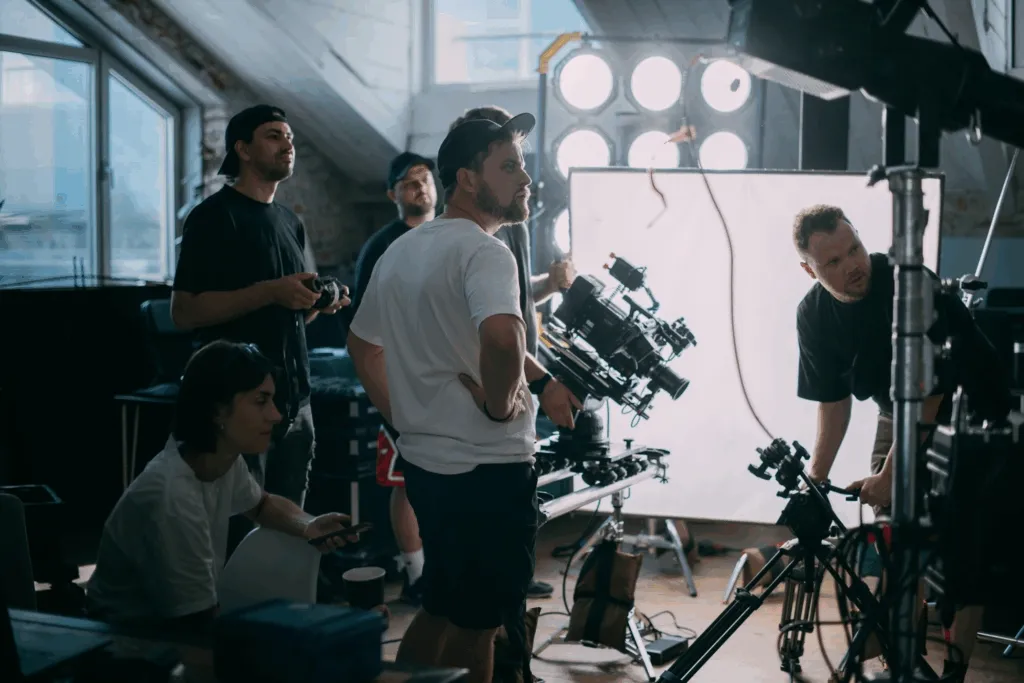
Identifying and selecting the production crew, along with the right equipment, is a critical step in ensuring the quality and success of the project. It’s essential to bring together a skilled team, including directors, lighting technicians, sound engineers, and editors, who have experience in video production and understand the company’s specific objectives. This team needs to work in sync to turn ideas into compelling visual content, all while staying within the agreed timeline and budget.
Equipment choices also play a fundamental role in the final result. It’s worth assessing technical needs based on the type of content being produced, whether that’s studio filming or on-location shoots. This includes choosing the right cameras, professional lighting, and high-quality audio systems. Using top-tier equipment can make the difference between an average piece of content and an outstanding production, strengthening the impact of the message the company wants to convey.
Plan the edit and the release
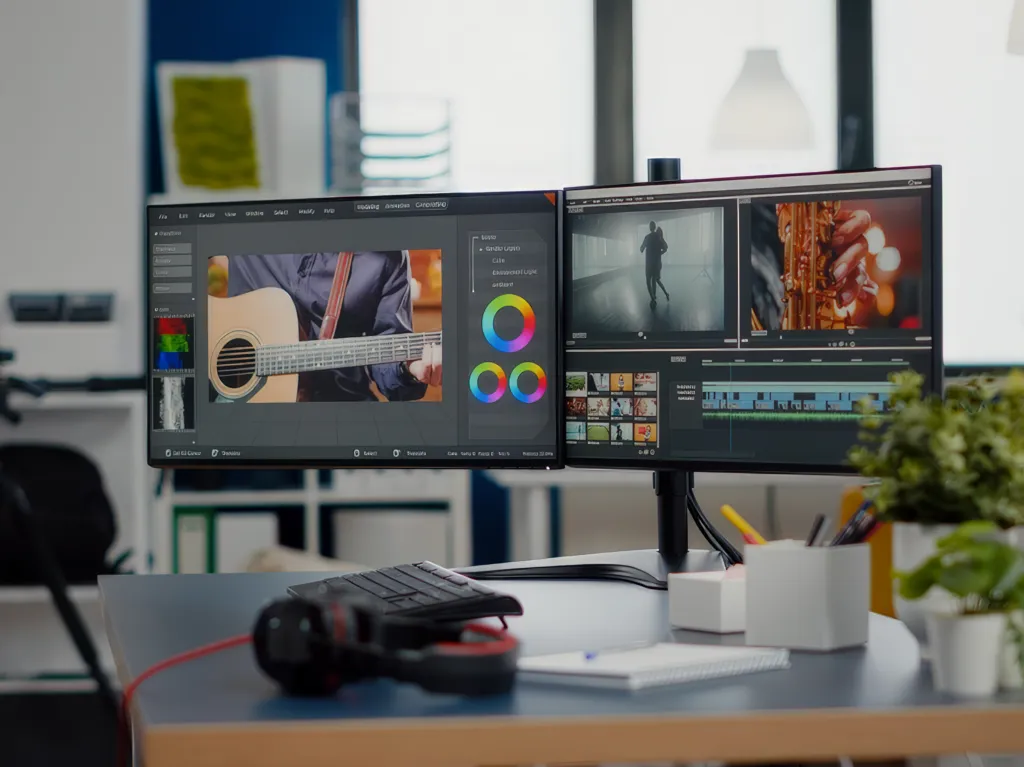
Planning the edit and the release is an essential step in maximizing the impact of video content. Once filming wraps, the editing process needs to be carefully orchestrated to ensure coherence, flow, and viewer engagement. It’s important to set an editing schedule that lets editors work efficiently while incorporating stakeholder feedback at key milestones. Using professional editing software along with storytelling techniques suited to the target audience will help reinforce the video’s message.
As for distribution, it’s worth determining the most appropriate channels to reach your intended audience. Whether through social media platforms, company websites, or email campaigns, each channel should be evaluated based on its reach and effectiveness. A well-defined promotional strategy, potentially including analytics review after release, will help refine future productions and optimize audience engagement. Factoring these elements into the planning ensures the video isn’t just a finished product, but a strategic tool aligned with the company’s broader goals.
In conclusion, organizing a corporate video shoot calls for careful planning and close attention to detail. By clearly defining your objectives, choosing the right location, and bringing together a skilled team, you can create content that reflects your company’s identity and genuinely engages your audience. Be sure to weave in visual and narrative elements that capture the essence of your message, all while sticking to your timeline and budget. With a well-thought-out strategy and professional execution, your video can become a powerful communication tool that strengthens your brand image and sparks interest among potential clients.